
With Depreciation, you get to allocate the cost of tangible assets like machinery, vehicles, buildings and equipment over their lives. The decrease in the value of tangible assets due to physical deterioration is termed Depreciation. Governed by accounting standards such as GAAP or IFRS, specifying how intangible assets should be amortized. The amortization process is used to gradually reduce the value of an intangible asset. The amount of the charge is calculated by multiplying the percentage rate by the book value of the asset. The book value is the Statement of Comprehensive Income original cost of the asset minus any accumulated depreciation.
- Upon completion, earn a recognized certificate to enhance your career prospects in finance and investment.
- Companies must stay current with the ever-evolving tax laws to ensure they maximize their deductions while maintaining compliance.
- It is important to differentiate between various expenses in financial accounting to generate accurate financial statements and facilitate informed decision-making.
- One of the key benefits of amortization is that as long as the asset is in use, it can be deducted from a client’s tax burden in the current tax year.
- Depreciation and amortization are essential accounting methods used to allocate the cost of assets over their useful lives.
- It involves determining the cost of acquiring or producing the asset, including related costs necessary to get the asset ready for use.
- The concept of amortization is used only when referring to intangible assets.
Capital Depreciation: Depreciation vs: Amortization: Key Differences Explained
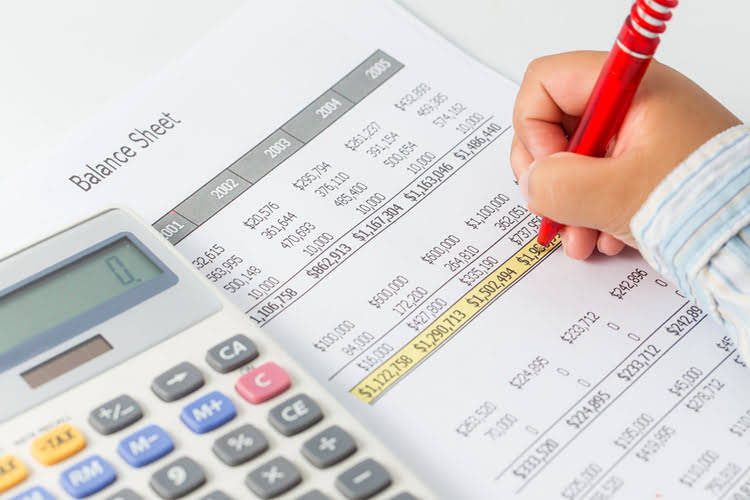
The accumulated depreciation reduces the carrying value of fixed assets (PP&E) on the balance sheet until the balance winds down to zero. But of course, the company would likely allocate funds toward capital expenditures (Capex) before that could occur. Maintaining accurate records of depreciation and amortization isn’t just a best practice; it’s an absolute necessity for businesses. Accurate record-keeping ensures compliance with tax laws and accounting standards, and it also provides the data you need to make informed financial and managerial decisions. Depreciation and amortization serve as accounting tools that enable businesses to align their asset cost recognition with the benefits those assets provide over time. They are essential for maintaining fair and consistent financial statements, which is crucial for investor confidence, regulatory compliance, and accurate business valuation.
Company
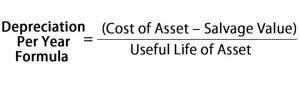
To visualize the straight-line depreciation method, consider the following example. With this method, the company depreciates the asset by the same amount every year. Note that some assets have a zero or near-zero salvage value because the company expects to use ledger account the asset until it can be used no more.
- However, Depreciation can be more useful for taxation as a company can use accelerated depreciation to show higher expenses in initial years.
- When you understand the difference between depreciation and amortization, it becomes a cakewalk to know whether to depreciate or amortize an asset.
- Instead, they represent the systematic allocation of the cost of an asset over its useful life.
- Where a bigger (and more costly) challenge can arise is if a business owner chooses the wrong type of depreciation for an asset.
- If the book value is higher than what you can recover, you need to record an impairment loss.
- Let’s say you buy manufacturing equipment for $100,000 that will be used for 10 years and be worth $20,000 after those ten years.
Impairment
You must assess your assets for impairment every year to stay compliant with Generally Accepted Accounting Principles (GAAP). SEC guidance says there should be no more than 12 months between tests, even if you change the date of your annual test. If you invested money to get your business started, you may still be able to capture some of those expenses through amortization if you haven’t already. They attempt to depreciate something that should be amortized or expense an item that should be capitalized and written off over time.

What is Amortization of Intangible Assets?
Depreciation affects the net income reported and balance sheet of a company. The following table outlines how the depreciation of your branded coffee mug machine would look using each of these accelerated depreciation methods. Where a bigger (and more costly) challenge can arise is if a business owner chooses the wrong type of depreciation for an asset. This is why it’s a best practice to work with your accountant to make sure you are depreciating your assets correctly.
As you can see, the different methods result in different amortization vs depreciation depreciation or amortization amounts each year, which affect the financial and tax performance of the business. The asset cost is the original purchase price of the asset, while the residual value is the estimated value of the asset at the end of its useful life. The useful life of an asset can be estimated by taking into account factors such as its physical wear and tear, obsolescence, and expected economic life. In its income statement for 2010, the business is not allowed to count the entire $100,000 amount as an expense.